At HeartCert CPR, the health and safety of our students is our top priority. During these unprecedented times, we’ve taken extra precautions to ensure that our in-person courses remain safe, while also offering expanded virtual CPR course offerings.

As we all know, healthcare workers are providing an essential service during the COVID-19 crisis. In addition, many organizations are seeking additional healthcare staff, with CPR certification required for employment. HeartCert remains ready and able to provide CPR education and instruction for all essential workers.
Continue reading for an overview of our virtual CPR course options, as well as the precautions we’re taking to keep our students and instructors safe.
Precautionary Measures
For our in-person CPR courses, we’ve limited class enrollment to nine people. All students will be placed at least six feet apart, with no sharing of manikins or supplies. We’ve also implemented extra sanitation measures. We are asking students to stay home if they are ill, have been exposed, or have recently traveled.
Blended Learning
HeartCert CPR offers online/in-person blended learning options. In these courses, participants watch and complete interactive training videos and written tests. Then, come in for a short in-person skills course (following all precautionary measures listed above) to become certified.
Provisional Certification
After completing the online portion of a blended learning course, receive a provisional certificate that will be valid for 90 days. Within that 90-day period, simply attend a one-hour skill session, and the certificate will be converted to an official two-year CPR certification.
Distance Learning – Coming Soon!
In these virtual CPR courses, participants will be sent a manikin and equipment. After completing the online training and testing, an instructor will virtually test your skills via videoconferencing. Watch our Facebook page for more information on these new CPR certification course options!
Protect the hearts of those around you by taking a CPR/AED course online or at one of HeartCert CPR’s convenient Minnesota locations. Register for a course today.
HeartCert CPR is your trusted training partner for CPR, ACLS, PALS, EMR and First Aid in the Twin Cities and throughout Minnesota. We offer online, night and weekend classes to fit your busy schedule!
HeartCert offers a variety of courses, including CPR/AED/First Aid and CPR/AED, Basic Life Support (BLS), Advanced Cardiac Life Support (ACLS), Pediatric Advanced Life Support (PALS), and Emergency Medical Responder – First Responder (EMR). Courses and certifications from both the American Heart Association and American Red Cross are available.
Find your CPR class at any of our convenient Twin Cities locations, including our headquarters, HeartCert CPR Eagan.



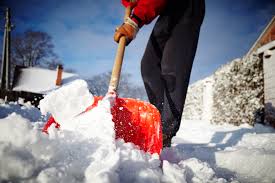 Winter has officially arrived in Minnesota, with snow storms the past two weekends forcing residents state-wide to pull out our shovels and fire up our snow blowers. Clearing our driveways and sidewalks is an added duty that we all have to tackle each winter and although it may be tiring and inconvenient, it can also be dangerous. A study conducted by US Nationwide Children’s Hospital found that every winter, almost 100 people in the United States die from cardiac-related injuries associated with snow shoveling.