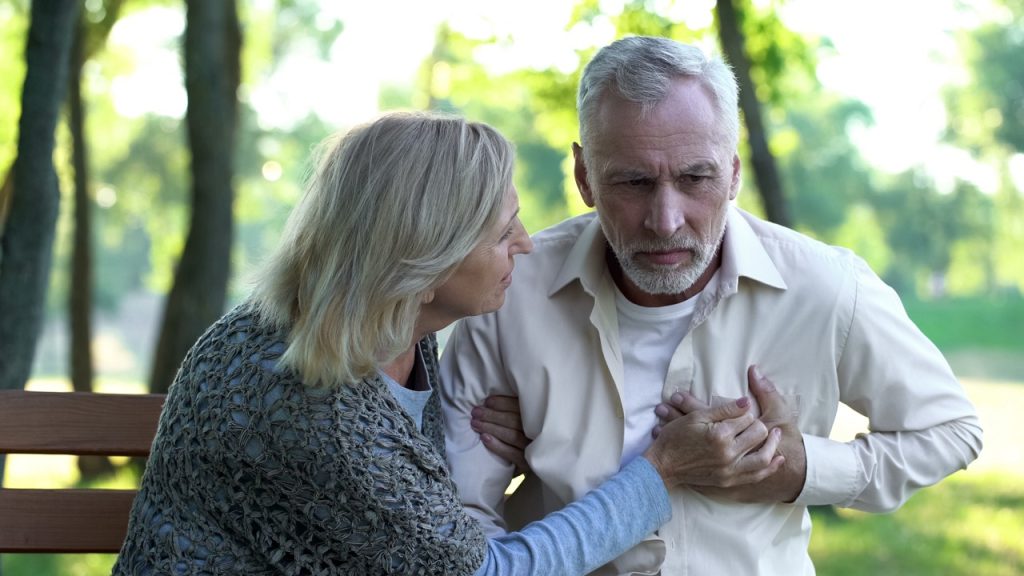
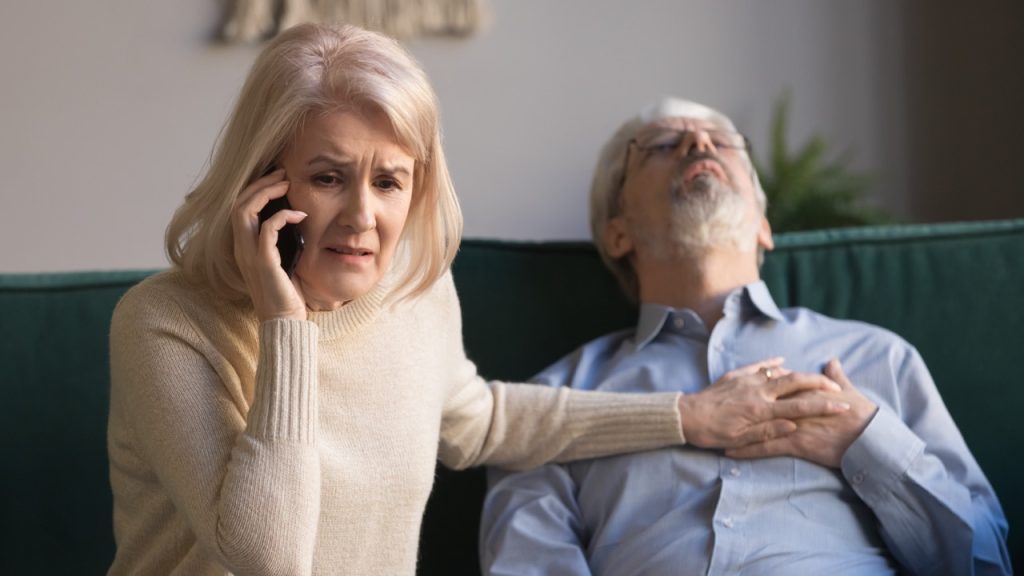
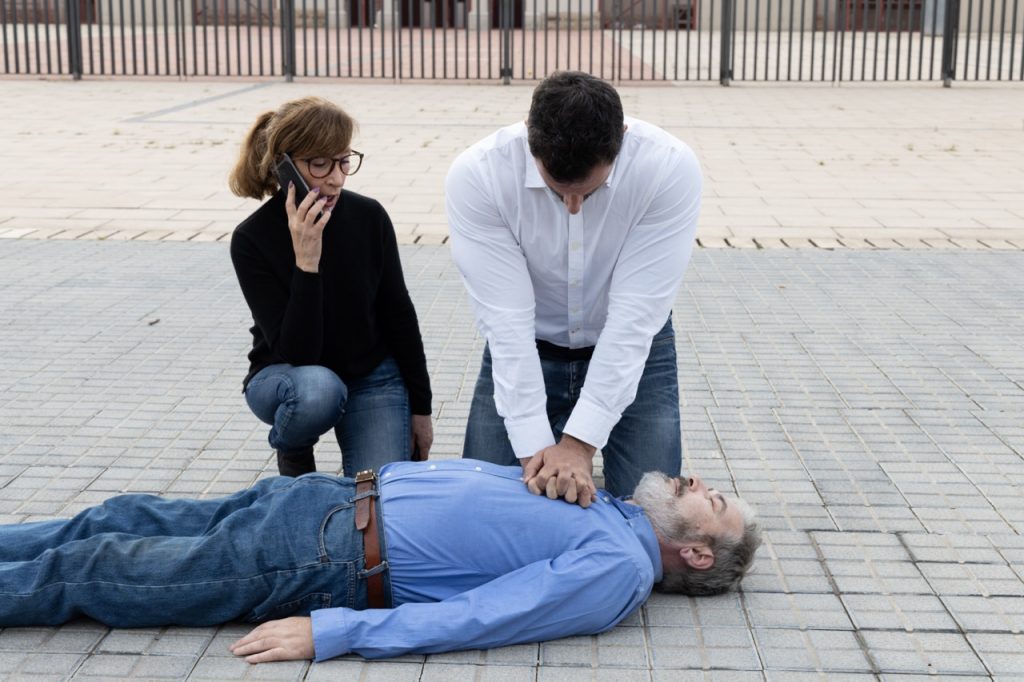
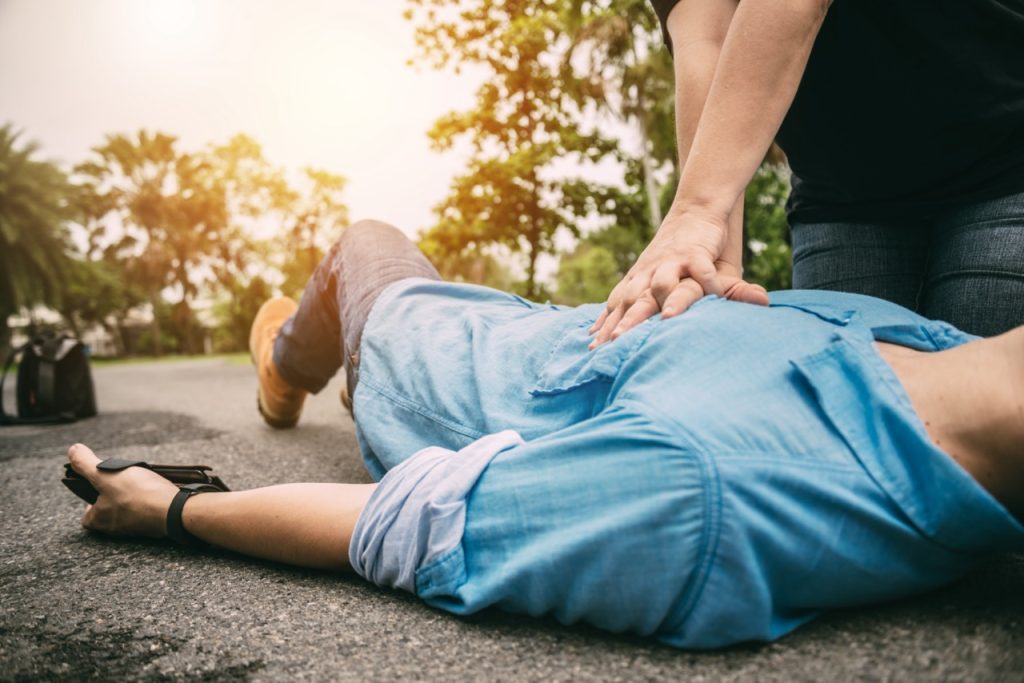
Whether you’re taking care of children, elderly patients, or anyone of any age and ability, emergencies can happen. One of your clients could choke on their food, inhale too much water while swimming, collapse, or stop breathing without notice. As a caregiver, you’re the first person—and sometimes the only person—present when an emergency happens.
At HeartCert, we’re nationally recognized for teaching CPR and First Aid, so we know that earning your certification means gaining confidence, the tools to act quickly in an emergency, and peace of mind in any caregiving role. In this article, we’ll share why every caregiver should be CPR certified.

What Is CPR Certification?
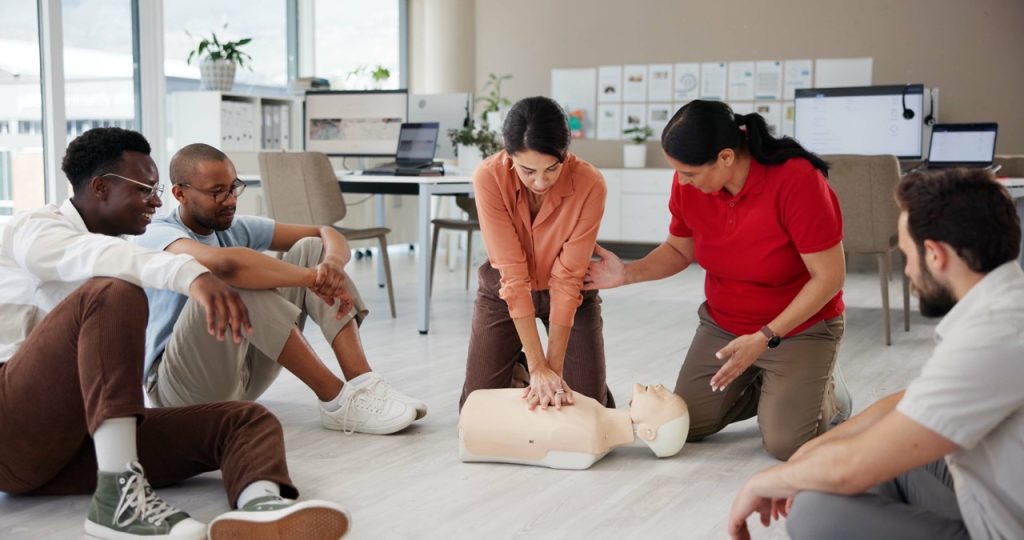
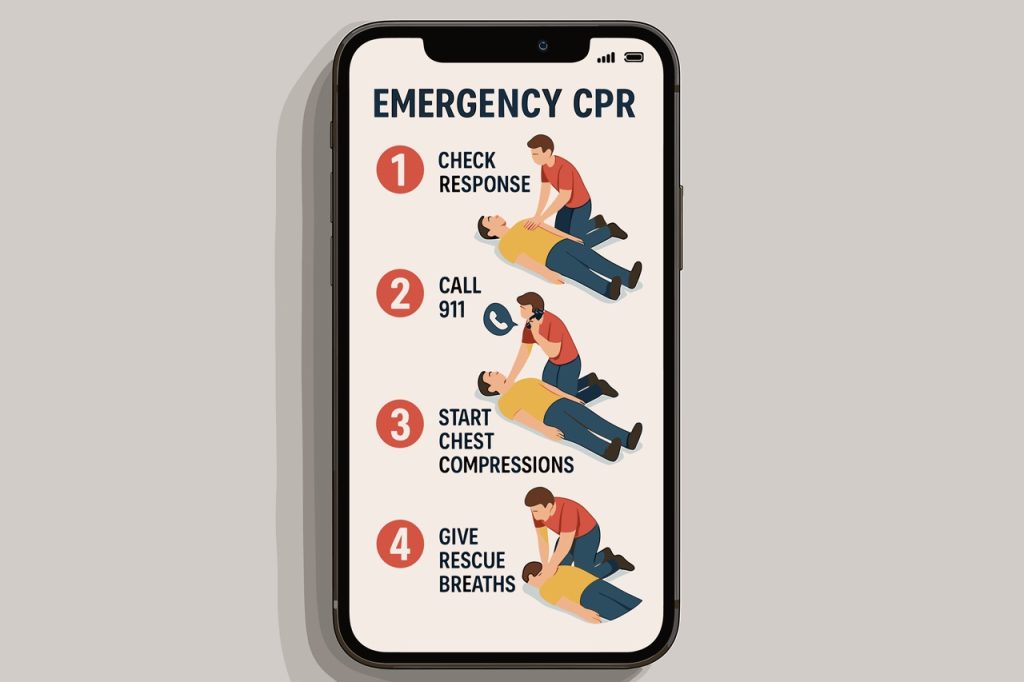
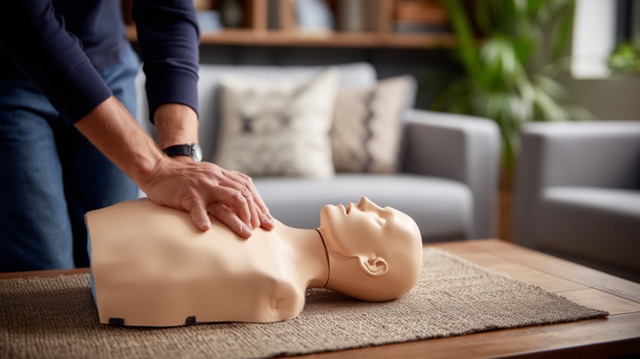
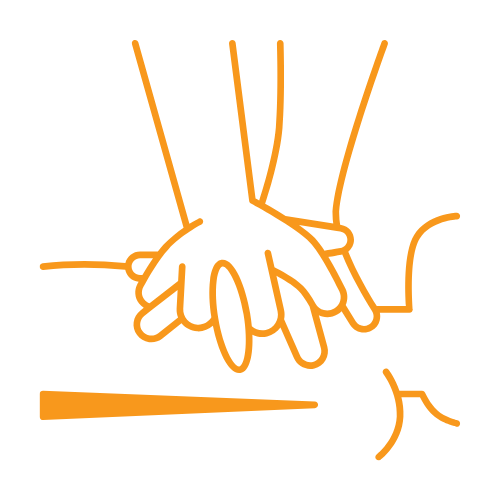
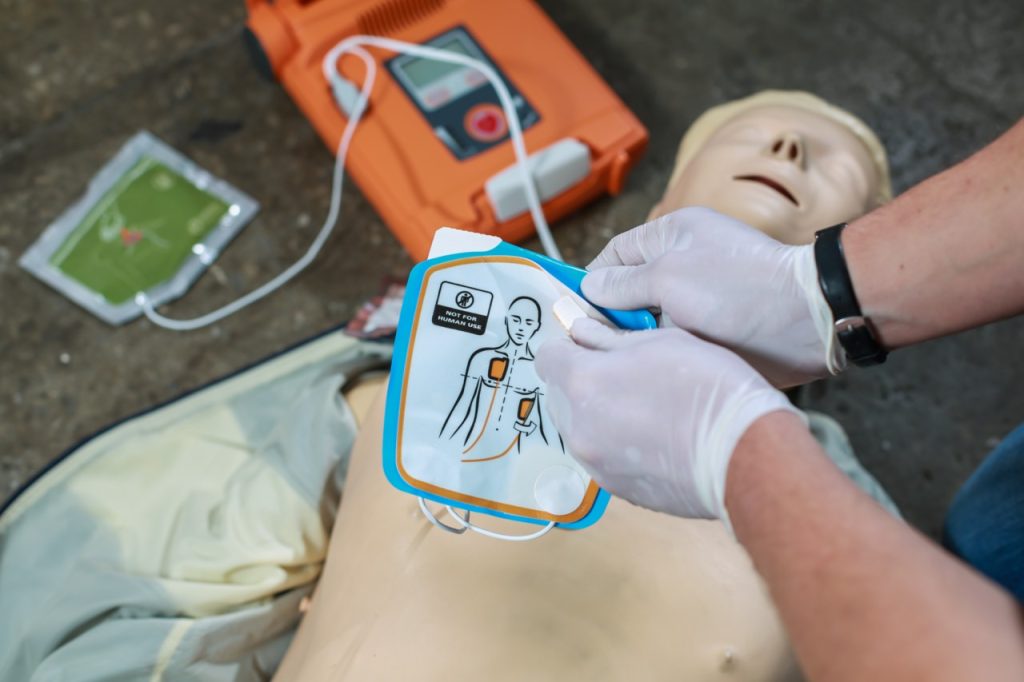
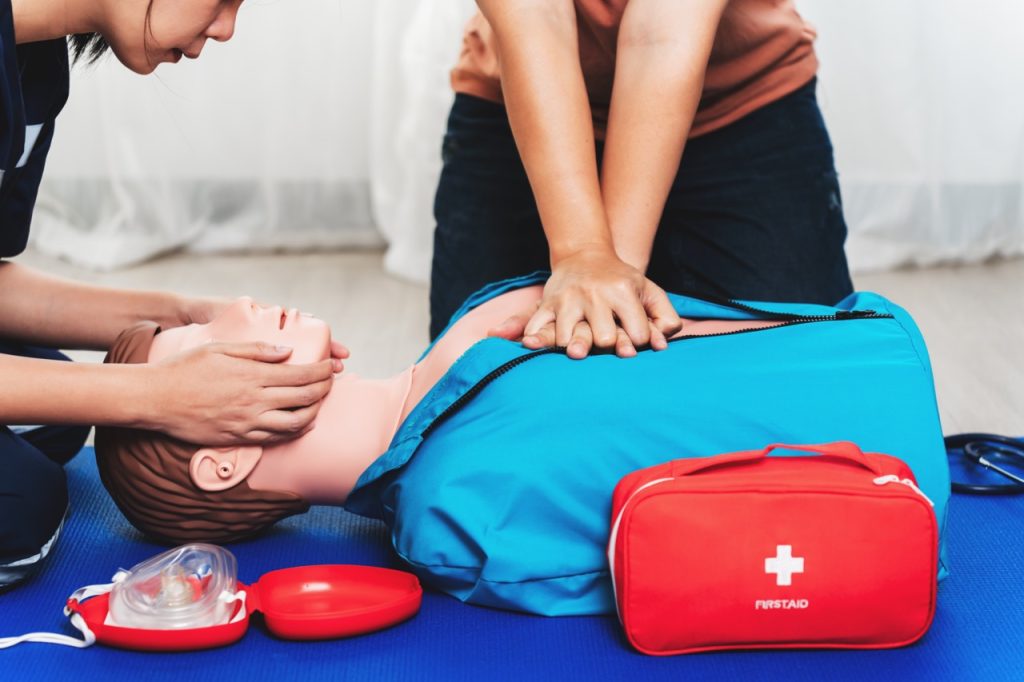
CPR (Cardiopulmonary Resuscitation) certification is emergency response training for cardiac arrest, choking, and breathing emergencies. It uses a combination of chest compressions, rescue breaths, and AED utilization to keep oxygen and blood flowing when someone’s body isn’t capable of doing it for them.
Most CPR certification courses include:
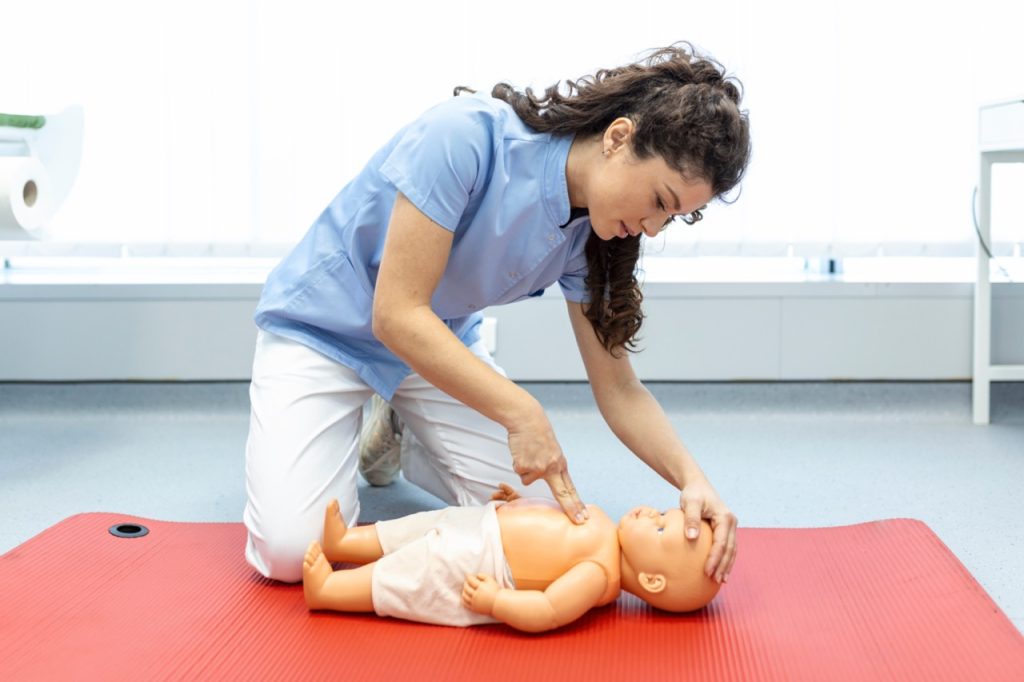
- Adult, child, and infant CPR training
- AED (automated external defibrillator) training
- Basic First Aid
Related Content: What’s the Difference Between CPR and First Aid Training?
How Long Does It Take to Become CPR-Certified?
CPR certification is surprisingly short and sweet with the right training program. Most courses can be finished in a day or two.
At HeartCert, we offer blended classes where you can get your certification with a two-hour in-person session and some online coursework.
Explore Available CPR and First Aid Classes
Why Is CPR Certification Important as a Caregiver?
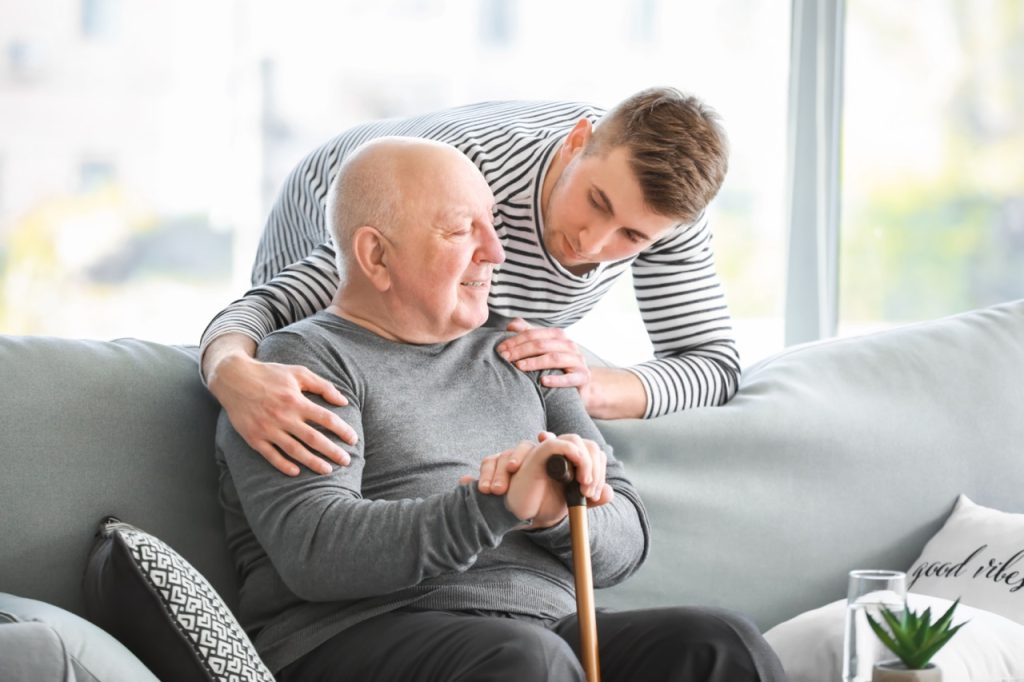
As a caregiver, you want to think positively. It’s easy to think you’ll never be in a tough situation or that you’d know how to handle yourself in an emergency, but unless you’re given the proper lessons and credentials, it’s impossible to know whether you’d respond appropriately.
CPR certification is more important than you think. Emergencies don’t slow down for you. They happen quickly, and you have moments to act to save someone’s life. You likely won’t have time to Google something, and even if you do, you’ll never know the state you’ll be in when a situation arises.
By equipping yourself with the proper education and know-how in a tough situation, you won’t need to stop and wonder what comes next—you’ll already know. Becoming CPR-certified is the best way to prepare yourself as a caregiver.
Related Content: Stories of CPR Success from Everyday People
Advantages of Getting Your CPR Certification
Getting your CPR certification as a caregiver helps save lives and can even benefit your career. Having the knowledge and professional skills necessary to keep someone safe is crucial—especially in situations where you least expect it. Some of the greatest advantages of getting CPR-certified include:
- Doubling or tripling the odds of survival
- Being prepared in stressful situations
- Saving lives during emergencies
- Being responsible for your clients
- Enhancing care and credibility in your role
- Gaining confidence and advancing your skills
Become CPR-Certified with HeartCert Today
After seeing why every caregiver should be CPR certified, you might want to get started with your training. Getting CPR-certified is as easy as taking a class through HeartCert since we offer online classes and in-person training around the country. Our courses offer:
- American Red Cross CPR, First Aid basics, and AED training
- Nationally recognized certification
- Hands-on, instructor-led classes
- Small class sizes for enhanced learning
- Private and group training offerings
Are you ready to gain life-saving skills as a caregiver? Start your courses with HeartCert to get certified.
Enroll Today Before Classes Fill Up
HeartCert is your trusted training partner for CPR, ACLS, PALS, EMR, First Aid, CNA, TMA, IV, EKG and more, throughout the United States.
Courses include CPR/AED/First Aid, Basic Life Support (BLS), Advanced Cardiac Life Support (ACLS), Pediatric Advanced Life Support (PALS), Certified Nursing Assistant training, IV training, EKG training, babysitter basics and more. Courses and certifications from both the American Heart Association and American Red Cross are available. We offer virtual courses and certifications, in all 50 states as well as in-person classes at our headquarters, HeartCert CPR Eagan and major cities in Iowa, Illinois, Michigan, Minnesota, Missouri, Mississippi, Nebraska, Pennsylvania, Texas and Wisconsin.